
Navigating the energy landscape can be tricky, especially for healthcare facilities where reliable power isn’t just important—it’s critical. With the rise of deregulated electricity markets, healthcare providers now have more freedom to choose their electricity suppliers, but this also means more decisions to make. Securing the best electricity rates while ensuring uninterrupted service requires a strategic approach. Here’s how healthcare facilities can make the most of deregulated markets to optimize their energy costs.
Understanding Deregulated Electricity Markets
Deregulated electricity markets allow consumers, including healthcare facilities, to shop around for their electricity supply rather than relying on a single utility provider. This opens up competition among suppliers, which can lead to better pricing and customized service plans. However, it also means that facilities must be proactive in researching and negotiating contracts to avoid surprises like fluctuating rates or hidden fees.
Assessing Energy Needs and Usage Patterns
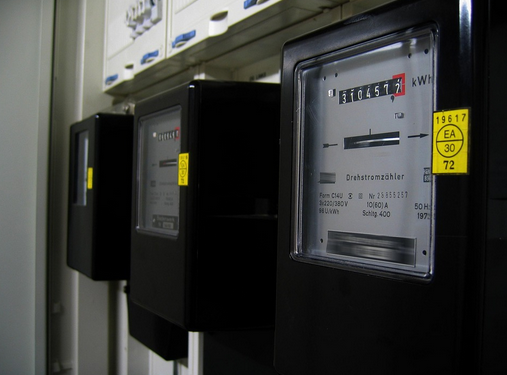
Before diving into supplier options, healthcare facilities need to thoroughly assess their energy consumption. Understanding when and how electricity is used—whether during peak hours or more evenly throughout the day—can help pinpoint the best rate plans. Facilities with consistent usage might benefit from fixed-rate plans, while those with variable consumption could explore time-of-use pricing options that reward off-peak electricity use.
Finding the Lowest Electricity Rates in the Market
One of the top priorities for any healthcare facility is managing operational costs, and securing the lowest electricity rates plays a key role. Facilities that carefully compare offers from multiple providers often uncover significant savings. It’s important to look beyond just the sticker price; terms related to contract length, rate stability, and additional fees all impact the overall cost. By negotiating effectively and leveraging market competition, healthcare facilities can lock in rates that substantially reduce their energy bills without compromising reliability.
Prioritizing Reliability and Service Quality
Cost savings should never come at the expense of reliable power—especially in healthcare settings where lives depend on it. When selecting an electricity supplier, facilities should evaluate providers based on their track record for consistent service, responsiveness during outages, and the availability of emergency support. Ensuring a balance between affordability and reliability helps maintain smooth operations and patient safety.
Exploring Renewable Energy and Sustainability Options
Many healthcare facilities are also looking to reduce their environmental impact by incorporating renewable energy sources. In deregulated markets, some electricity suppliers offer green energy plans that blend conventional power with renewable sources like solar or wind. Investing in sustainable energy options can not only support corporate social responsibility goals but also appeal to patients and staff who value eco-conscious practices.
Leveraging Expert Energy Consultants

Given the complexities of deregulated markets, many healthcare organizations turn to energy consultants who specialize in navigating these systems. Consultants can analyze usage data, assess market conditions, and negotiate on behalf of the facility to secure favorable contracts. Their expertise can uncover opportunities that might otherwise be missed and provide ongoing support to adapt energy strategies as market conditions evolve.
Implementing Energy Efficiency Measures
Finally, reducing overall electricity consumption through efficiency improvements can magnify the benefits of securing competitive rates. Healthcare facilities can invest in energy-efficient lighting, HVAC upgrades, and smart building technologies to lower demand. These measures help stabilize budgets by shrinking electricity needs and enhancing the impact of cost-saving contracts.
Deregulated electricity markets offer healthcare facilities the chance to take control of their energy purchasing decisions and potentially save significant money. By understanding market dynamics, carefully evaluating energy needs, prioritizing reliability, and exploring expert advice, healthcare providers can confidently lock in the best electricity rates. This strategic approach not only supports financial health but also ensures that critical patient care operations continue uninterrupted with sustainable, reliable power.…

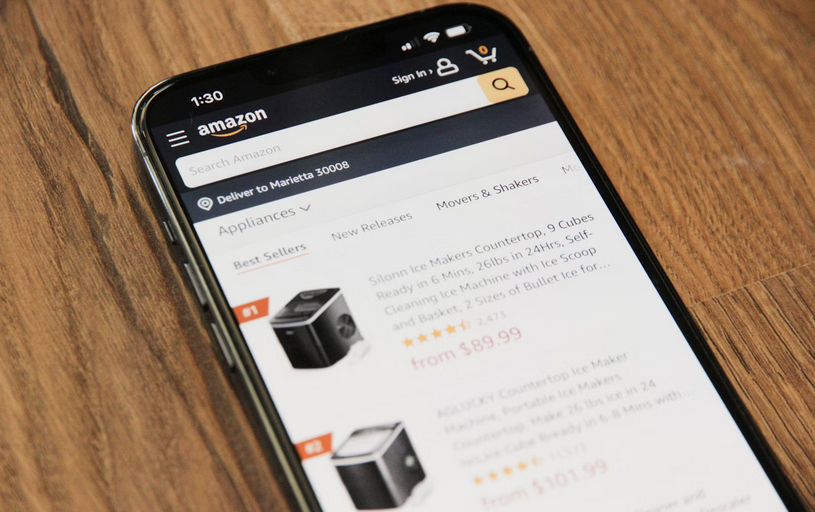


 Automated systems. whether it is a physical shop or an



 The first tip is to learn to recycle. When a crisis hits, it can be tempting to cut costs by reducing your recycling efforts. However, this can actually lead to more waste in the long run. Instead of cutting back on recycling, try to find ways to recycle more. For example, you can recycle cooking oil if you own restaurant business. To know more about oil recycling, you should read articles about
  The third tip is to be aware of market trends. When a crisis hits, it’s important to adapt to the changes in the market. This may mean changing your product mix or altering your marketing strategy. For example, you may need to switch to selling something else if you sell products that are no longer in demand. You can consult with a business analyst if you’re unsure what the market trends are. You can also check online resources, such as Google Trends. This will help you stay ahead of the curve and avoid losing sales.
 The fourth tip is to study your competition. In times of crisis, it’s important to know what your competitors are doing. This way, you can adjust your own strategy to stay ahead of the game. You can use a number of resources to research your competition, such as online directories and customer reviews. You can also attend trade shows and industry events. This will give you a better understanding of the competition and allow you to make the necessary changes to your own business.
 First, congratulations on your great concept that was proven to be a success. It is a significant sign indicating it is time for you to scale up your business. When your business starts to take off, it is vital to ensure that you have a reliable infrastructure. It includes having enough staff, adequate office space, and the right tools and resources. If you don’t have a solid infrastructure, your business will not be able to handle the growth, and it will eventually start to crumble.
 Finally, if you feel like you’re ready to get more capital to grow your business, it is a sign that it is time to scale up. When scaling up your business, you will need to invest more money in staff, office space, and resources. But if you feel like you’re ready to take your business to the next level, it is a good sign.
 There are plenty of engineers today; you got Software Engineers, Mechanical Engineers, Electrical and Electronics engineers. All of these engineer types have one common goal: to improve systems.
 Another reason to hire engineers is because they can help with marketing. Engineers can even help create marketing materials that are attention-grabbing and informative, like developing software that can display multiple product deals and even interactive ads. Engineers will be one of your most powerful assets, so make sure you hire them!

 In fleet management, you will find many benefits to using vehicle tracking systems. One of these advantages is the GPS tag vehicle tracking methods are their accuracy of the data they collect/record. They will quantify, monitor, and analyze the functionality of the vehicle and driver in real-time. These devices allow you to quickly and easily access all the data you want to record. For fleets large and small, these tracking methods give you immediate and easy access to all the information you need to make smart fleet management decisions.